When a Project Needs Aerial Photography? (And When It Doesn't)
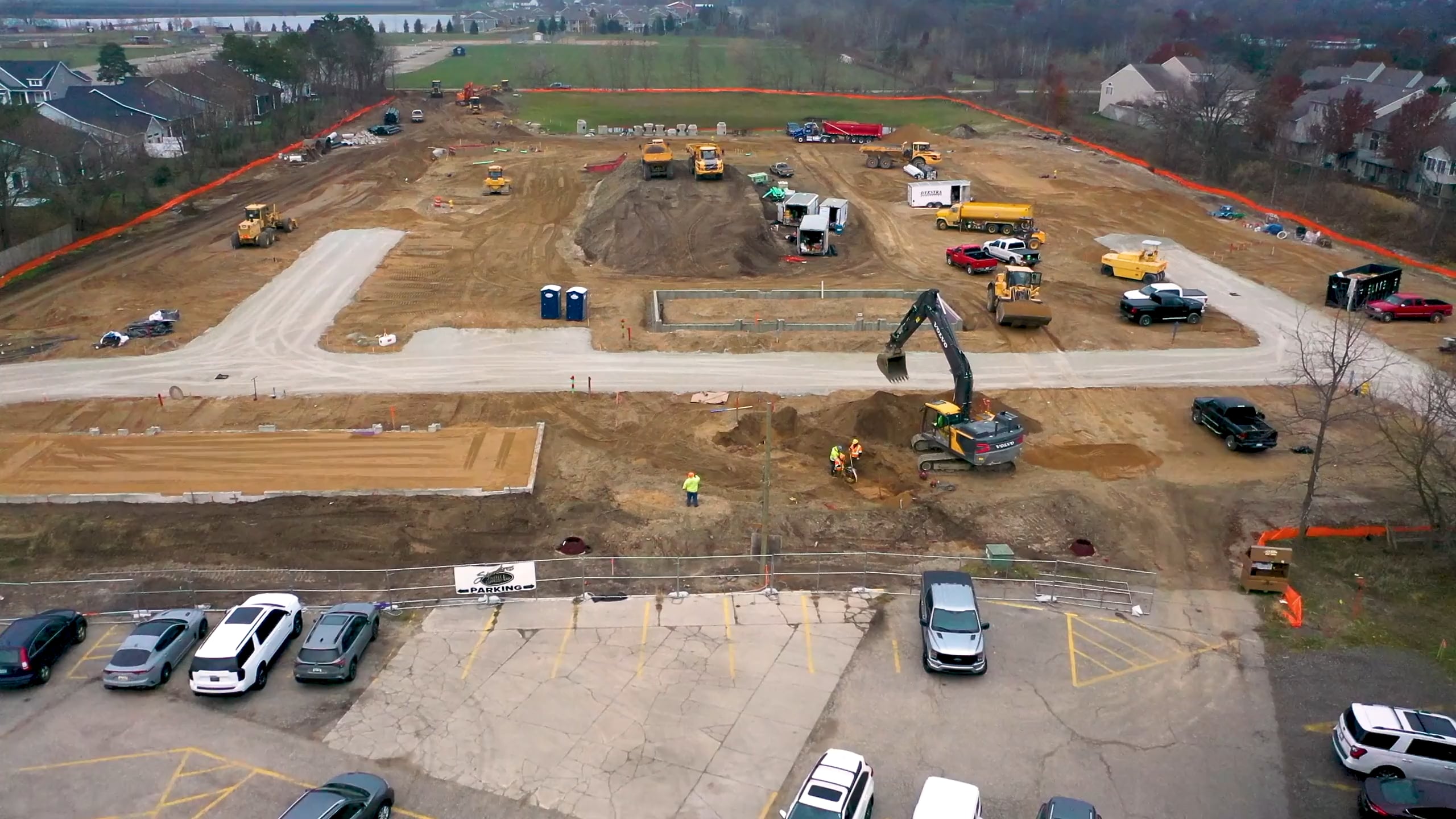
Aerial photography looks impressive. That's exactly why it's tempting to add it to every project, whether it actually serves the work or not. Who doesn’t want to look cool? As FAA Part 107 certified operators, we get asked about drone coverage often — and honestly, sometimes the right answer is "you don't need it."
Here's how we think through that decision.
When Aerial Coverage Genuinely Adds Value
Construction Progress Ground-level photos can't show how a foundation, framing, or site layout is actually coming together at scale. Aerial documentation gives owners, investors, and stakeholders a clear, consistent view of progress that's simply unavailable any other way. This can range from a couple of month process, or multiple year, multiple phase commercial construction project.
Large or Sprawling Properties A single-family home sometimes needs a drone, though you’ve likely seen a lot higher frequency lately. A commercial property, a multi-acre facility, or a development with multiple buildings absolutely does — aerial shots communicate scale and context that ground photography can't capture in one frame.
Facility Overviews If your organization's value proposition includes "we operate at scale" — manufacturing, logistics, large campuses — an aerial shot communicates that scale instantly, in a way paragraphs of text or ground-level photos can't.
Events with Real Estate or Crowd Scale A groundbreaking ceremony, an outdoor festival, a large corporate gathering — aerial footage captures the energy and scope of an event that ground cameras miss entirely.
Real Estate Listings Especially for commercial or multi-unit properties, aerial shots showing surroundings, parking, access points, and neighboring context genuinely help buyers and tenants make decisions faster.
When It's Probably Not Worth It
Small Indoor Spaces If the entire story of your project happens inside a building, a drone adds nothing. Save the budget for better ground-level coverage instead.
Headshots or Team Photography This one seems obvious, but it's worth saying — aerial photography has no role here. Don't let "we have drone capability" talk you into adding it where it doesn't fit.
Tight Budget, Limited Scope If the project budget is genuinely tight and the work itself doesn't have a strong visual "scale" component, the aerial add-on is often better spent on more ground coverage, more edited variations, or simply staying within budget.
Restricted Airspace Some locations — near airports, certain government facilities, specific urban areas — have airspace restrictions that make aerial work legally complicated or outright unavailable. We check this during planning, and sometimes the answer is simply no, regardless of how much value it would add. That said, we’ll always try our best to find a way to make it work if that’s what our clients believe they need.
The Honest Conversation
We'd rather tell a client "you don't need a drone for this" than add it to every quote because it sounds impressive. The goal is always the same: get you the content that actually serves the project, not just the most expensive-looking option.
If you're not sure whether aerial coverage makes sense for what you're working on, that's exactly the kind of question worth asking before booking anything. Start your project or book a discovery call and we'll help you figure out what's actually worth it.